
Local
Roofing Historic Homes in Delray Beach and Lake Worth Beach
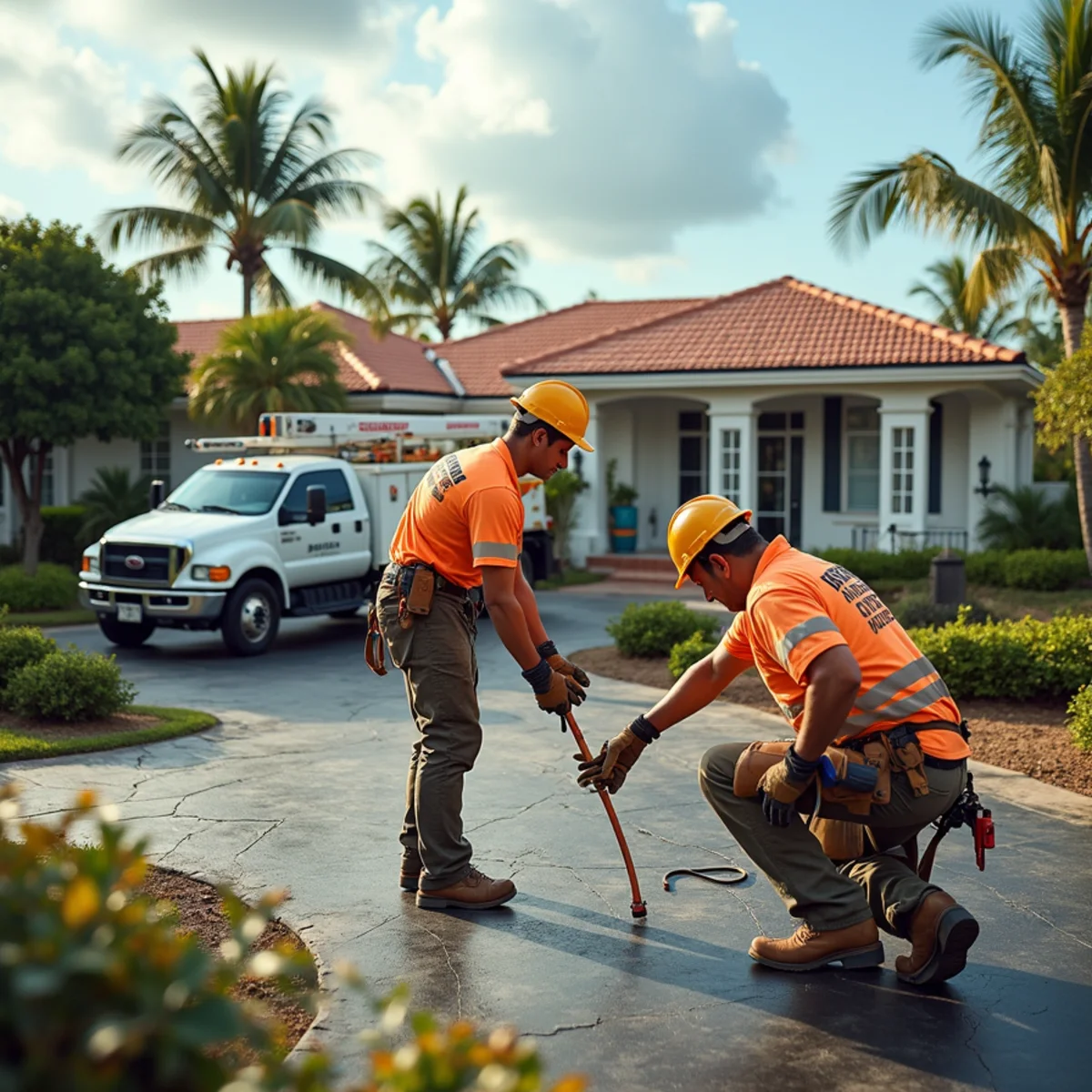
A 1920s Mediterranean Revival roof has to satisfy a historic preservation board and the 2023 Florida Building Code at the same time. Here's how that balance actually works.
The historic districts around Old School Square in Delray Beach and the College Park and Old Lucerne neighborhoods of Lake Worth Beach hold some of Palm Beach County's oldest housing stock — Mission and Mediterranean Revival homes dating to the 1920s and 30s, many still wearing original or early-replacement barrel tile. Re-roofing one of these homes means satisfying two authorities at once: a historic preservation board focused on appearance, and the 2023 Florida Building Code focused on wind performance. Those goals are not actually in conflict, but getting there takes more planning than a standard re-roof.
Why the original tile is almost never still manufactured
Clay barrel tile profiles from the 1920s through the 1950s were often produced by local or regional manufacturers that no longer exist, and even surviving tile lines have updated their molds over the decades. When a storm cracks a few dozen tiles on a historic roof, an exact match is rarely available, which is why our first step on any historic project is documenting the existing profile — barrel width, coursing pattern, and glaze or finish — so we can present the preservation board with the closest currently manufactured equivalent rather than guessing.
What historic preservation boards typically review
- Tile profile and color, compared against the home's documented historic character or the district's design guidelines.
- Whether the proposed material is clay or concrete, since some boards prefer clay for authenticity on designated historic structures.
- Visible details at the eave, ridge, and hip that read differently up close even when the general tile color matches.
- In some cases, decorative elements like barrel tile capping or terra cotta ridge caps original to the architectural style.
Balancing historic appearance with current wind code
The 2023 Florida Building Code and ASCE 7-22 wind provisions apply to a historic home's roof exactly as they do to any other structure in Palm Beach County. That means modern fastening methods, underlayment, and product approvals go underneath a tile profile chosen for its historic appearance — the board reviews what is visible, while the code governs what holds the roof on in a hurricane. We have never had a preservation board object to modern attachment methods hidden beneath a matching visible tile profile.
What decking crews commonly find on these roofs
Homes from this era were typically built with full-dimension plank decking rather than modern plywood or OSB sheathing, and decades of nail holes from prior tile installations can leave the boards more perforated than they appear from the attic. On a tear-off, we document decking condition with photos and price any plank replacement per board at an agreed rate before proceeding, the same transparent approach we use on every roof replacement, so a historic home's older construction does not turn into a surprise change order.
Considering a re-roof on a historic property in Delray Beach or Lake Worth Beach? Our tile roofing team documents your existing profile and prepares the preservation board submission for you. Call (831) 666-1600.
Timeline expectations for a historic re-roof
| Phase | Typical timing |
|---|---|
| Existing tile documentation & profile matching | 3–7 days |
| Historic board submission & review | 2–6 weeks, varies by district meeting schedule |
| Municipal permit (after board approval) | 1–3 weeks |
| Tile lead time (matched profile) | 2–8+ weeks depending on availability |
| Tear-off, decking repair & install | 5–10 working days |
What a licensed roofer checks on original tile before recommending repair vs. full replacement
Before recommending a full tear-off, we sound-test tile by tapping across the field, listening for the dull, hollow note that signals a hairline crack invisible from the ground. On homes from this era that used a mortar-set or hot-mop system rather than mechanical fastening, we also check the mortar bed itself for crumbling or loss of bond, since a tile can look intact while sitting loose in a failing bed. Edge and butt-end deterioration on original clay tile, where the material has slowly lost density over decades of sun and rain exposure, is another detail that only shows up on close inspection, not a drive-by look.
Where damage is scattered rather than widespread, a targeted repair using matched or closely profiled tile can be the honest answer instead of a full re-roof, provided the repaired area stays under the threshold where Florida's 25% roof rule (SB 4-D) would require bringing the whole section up to current code. We walk homeowners through that math specifically, since it changes both the scope and the historic board's review, before recommending either path.
Mortar-set tile vs. a modern mechanically fastened system
Many historic barrel tile roofs in Delray Beach and Lake Worth Beach were originally mortar-set, a method that predates the engineered, wind-uplift-tested attachment systems required under today's code. A full re-roof on one of these homes typically transitions to a modern mechanically fastened or foam-adhered system, tested to current ASCE 7-22 wind provisions, while keeping the same visible barrel profile and coursing the preservation board approved. The change happens entirely beneath the surface: the board reviews what is visible, and the new attachment method is what actually keeps the tile on the roof in a hurricane.
That transition is also where most of the labor difference between a historic re-roof and a standard one shows up. Removing decades-old mortar-set tile without breaking more of it than necessary, then prepping a deck that has never carried a mechanically fastened system, takes more time and care than stripping a modern tile roof, which is one reason historic tear-offs run on the longer end of typical timelines.
The preservation board review is almost always the widest variable in the schedule, which is why we recommend starting that conversation as early as possible, ideally before a roof is actively leaking rather than after.
Frequently asked questions
Talk to a licensed Boca Raton roofer
Get a free drone inspection and a written estimate from Boca Raton's trusted, licensed roofing team. Same-day response, no pressure.
Keep reading

Coral Springs and Parkland HOA Roof Approvals: Colors, Tile Profiles and Paperwork
Getting a re-roof through architectural review can take longer than the install itself in Coral Springs and Parkland HOAs. Here is what boards ask for and how to avoid delays.
Re-Roofing an Oceanfront Home in Highland Beach or Hillsboro Beach: Salt-Air Material Guide
A roof one block from the Atlantic ages differently than a roof a mile inland. Here is what actually needs to change in your material and fastener selection near the water.