
Cost & Insurance
My Safe Florida Home Grants: Using Roof Upgrades to Cut Your Insurance Premium
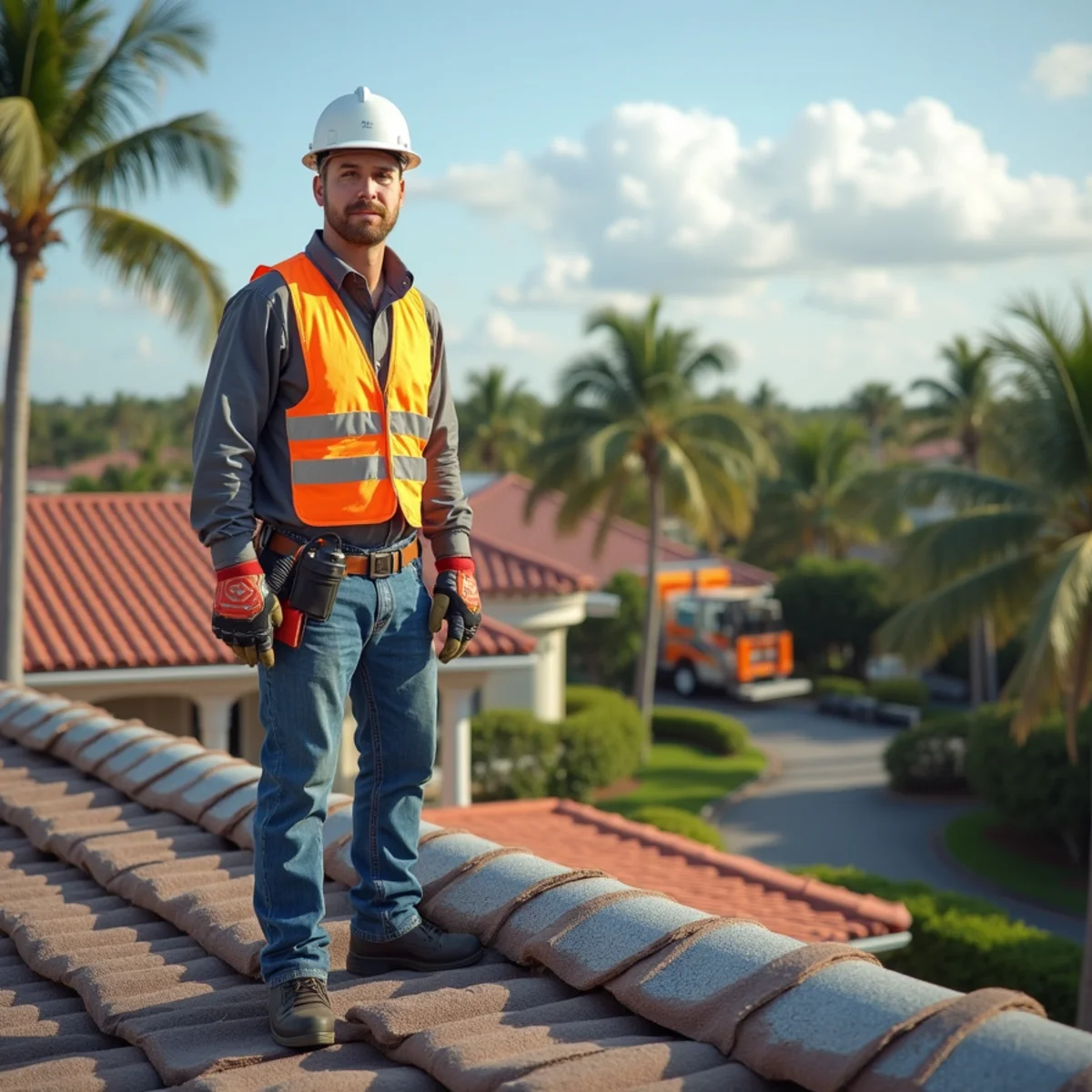
My Safe Florida Home offers matching grants for roof wind-mitigation upgrades that can also lower your insurance premium. Here is how the program works and which roof features qualify.
Most Florida homeowners have heard of My Safe Florida Home but few understand exactly which roof upgrades qualify or how the grant matching actually works. Since roof-related wind mitigation is one of the most common uses of this program, here is a straightforward breakdown of how it works and what it can mean for your premium.
What the program does
My Safe Florida Home is a state-administered program that provides a free wind-mitigation inspection and, for qualifying homeowners, a matching grant toward approved hurricane-hardening improvements. Grant amounts and match structures have varied by program cycle, but funding commonly reaches up to roughly $10,000 per home under a matching structure, meaning you typically contribute a portion of the cost alongside the grant.
Roof-related upgrades that commonly qualify
- Secondary water barrier (a self-adhered membrane under the roof covering that keeps the home dry even if the primary covering is compromised)
- Roof-to-wall connections upgraded to code-rated straps or clips
- Reinforced or resealed roof deck attachment
- Opening protection improvements, such as impact-rated components, in some program cycles
How the inspection-to-grant process works
| Step | What happens |
|---|---|
| 1. Apply / register | Homeowner applies through the state program when a cycle is open |
| 2. Free wind-mitigation inspection | A program-approved inspector evaluates your roof-to-wall connections, roof covering, deck attachment, and opening protection |
| 3. Inspection report issued | Report identifies specific eligible upgrades and estimated costs |
| 4. Grant application & matching funds | Approved homeowners receive matching funds toward contracted work |
| 5. Upgrade work performed & verified | A licensed contractor performs the work; documentation is submitted to close out the grant |
Program funding cycles open and close based on state budget allocations, so timing matters. We can help you understand which upgrades on your specific roof are likely to qualify before you apply.
The insurance premium connection
This is where the real long-term value shows up. A wind-mitigation inspection report documenting a secondary water barrier, proper roof-to-wall connections, and a compliant roof covering can qualify your home for wind-mitigation credits on your homeowners policy — often a meaningful reduction, particularly with Citizens Property Insurance, which places significant weight on documented wind mitigation features when setting premiums. Even homeowners who do not receive grant funding in a given cycle often find that paying for a secondary water barrier during a planned wind mitigation roofing upgrade pays for itself in a few years of reduced premiums.
Doing this during a re-roof
The most cost-effective time to add a secondary water barrier or upgrade roof-to-wall connections is during a planned re-roof or replacement, since the roof deck is already exposed and the incremental labor cost is low compared to a standalone retrofit. If you are already budgeting for a roof replacement in Boynton Beach or elsewhere in Palm Beach County, ask us to scope wind-mitigation upgrades alongside the base project so you can pursue both the grant and the insurance credit in the same job.
What the wind-mitigation inspection actually documents
The inspection behind both the grant and the insurance credit follows a standard state form, and it is worth understanding what it actually records, since the credit amount depends on the specifics, not just a yes-or-no on 'wind mitigation.' The inspector documents roof shape (hip roofs generally score better than gable roofs in wind performance), the roof covering's compliance with current product-approval standards, the deck attachment method and fastener spacing, the roof-to-wall connection type, the presence and type of secondary water barrier, and opening protection for windows and doors.
Each category is scored independently, which is why two homes with a similar-looking roof can carry very different credits. A roof with toe-nailed deck attachment scores lower than one with ring-shank nails at code-required spacing, and a roof with no documented secondary water barrier misses that entire credit category regardless of how new the roof covering itself is. This is also why we recommend keeping every permit, product-approval sheet, and installation photo from a re-roof — that paperwork is what lets a future wind-mitigation inspector document the upgrade accurately instead of guessing conservatively in your favor... or against it.
Is it worth pursuing if you miss a grant funding cycle?
Yes, in most cases. The grant match is a nice-to-have, not the only reason to do this work. A secondary water barrier added during a re-roof typically costs a modest amount above the base underlayment price, and the insurance premium credit alone, particularly with Citizens, often recovers that incremental cost within a few years even with no grant funding at all. We tell homeowners honestly: apply for the grant cycle if one is open, but do not delay a re-roof you already need while waiting on state funding timing you cannot control.
Documentation to keep once the work is done
The upgrade only helps your premium if it is properly documented after the fact, so keep the permit, the final inspection sign-off, product-approval sheets for the underlayment and roof covering, and dated installation photos showing the secondary water barrier and roof-to-wall connections before they were covered by the finished roof. Hand this packet to your insurance agent directly rather than assuming the wind-mitigation inspector's report alone will surface everything, since agents sometimes need to actively apply for the credit on your policy rather than it updating automatically.
We provide this documentation packet as a standard part of any re-roof that includes wind-mitigation upgrades, specifically because we have repeatedly seen homeowners do the upgrade correctly and then still miss the premium credit simply because the paperwork never actually made it to their insurance agent's desk.
Which Palm Beach and Broward homeowners tend to see the biggest benefit
Homeowners with a roof built before the 2007 Florida Building Code stand to gain the most, since their homes typically lack the modern roof-to-wall connections and secondary water barrier that newer construction already has, which means the inspection is more likely to identify multiple eligible upgrades rather than just one improvement. Homes insured through Citizens Property Insurance also tend to see a more direct and immediate benefit, since Citizens places significant weight on documented wind mitigation when calculating premiums, compared to some private carriers that weigh it somewhat differently.
Coastal homes in areas like Boynton Beach and along the barrier island also see strong value from opening protection upgrades specifically, since wind-borne debris risk is highest closest to open water. Inland homeowners on a roof already built to a reasonably modern standard sometimes find the inspection confirms they already qualify for most available credits, which is still useful information even without a large grant-funded project attached to it, since it documents the credit for your carrier either way and gives you a baseline for future upgrades.
Call (831) 666-1600 and we will walk you through which upgrades on your specific roof are strong candidates for grant funding and premium credits, whether you are re-roofing now or planning ahead for the next funding cycle.
Frequently asked questions
Talk to a licensed Boca Raton roofer
Get a free drone inspection and a written estimate from Boca Raton's trusted, licensed roofing team. Same-day response, no pressure.
Keep reading

How a Roof Insurance Claim Works in Florida: Deadlines, Adjusters and Documentation
Florida roof insurance claims run on strict deadlines and heavy documentation requirements. Here is the process from the first phone call to the check in your hand.

Tile Roof Replacement Cost in Boca Raton, FL (2026 Guide)
Tile roof replacement in Boca Raton typically runs $25,000 to $65,000 or more, but the range depends heavily on tile type, roof size, and what is found once tear-off begins.